Worried an older home in Gainesville could come with too many surprises? That concern is valid, especially when you are looking at charm, character, and a long list of possible updates all at once. The good news is that you can buy an older home with confidence when you focus on the right details early, ask better questions, and understand how Gainesville’s local rules fit into the process. Let’s dive in.
Why Gainesville context matters
Older homes in Gainesville often appeal to buyers because they sit in established areas and can offer architectural details you may not find in newer construction. Still, age alone does not tell you whether a home is a smart purchase. What matters more is how the home has been maintained, what has been documented, and what local review rules may apply.
Gainesville has a formal historic preservation program. For locally designated properties in a historic overlay zone, major exterior material changes require a Certificate of Appropriateness before work begins, while interior changes generally do not require Preservation Commission review. The city also states that local historic designation does not restrict zoning or land use.
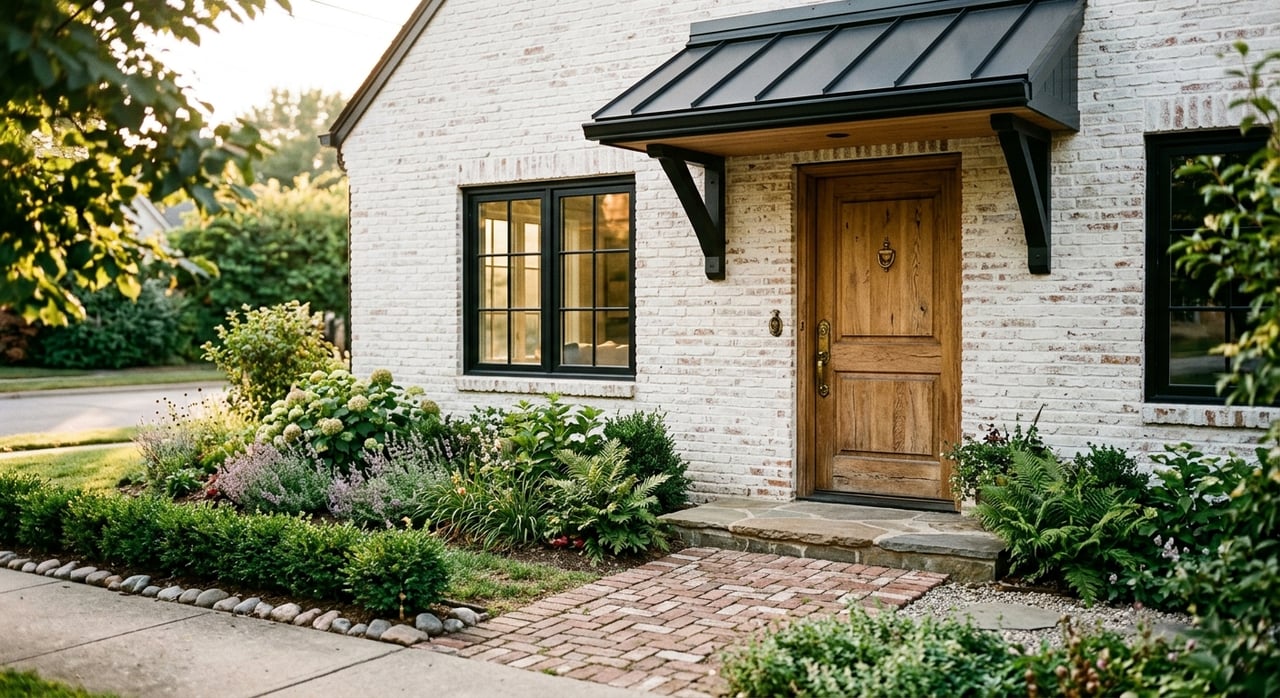
That means if you are already picturing new siding, replacement windows, a porch update, or another exterior project, you need to confirm what approval path applies before making plans. A home can be full of character and still come with added steps for future updates. Knowing that upfront helps you make a clearer decision.
Check the property’s jurisdiction first
One of the simplest but most important first steps is confirming whether the home is inside Gainesville city limits or in unincorporated Hall County. Hall County notes that properties inside Gainesville city limits use the city’s permitting department, while unincorporated properties use the county permitting process.
That distinction matters because permit records, renovation rules, and review steps may be different depending on where the property sits. Gainesville and Hall County have also posted code changes tied to Jan. 1, 2026, so buyers planning improvements should expect current code compliance to affect renovation scope and budget.
Start with moisture concerns
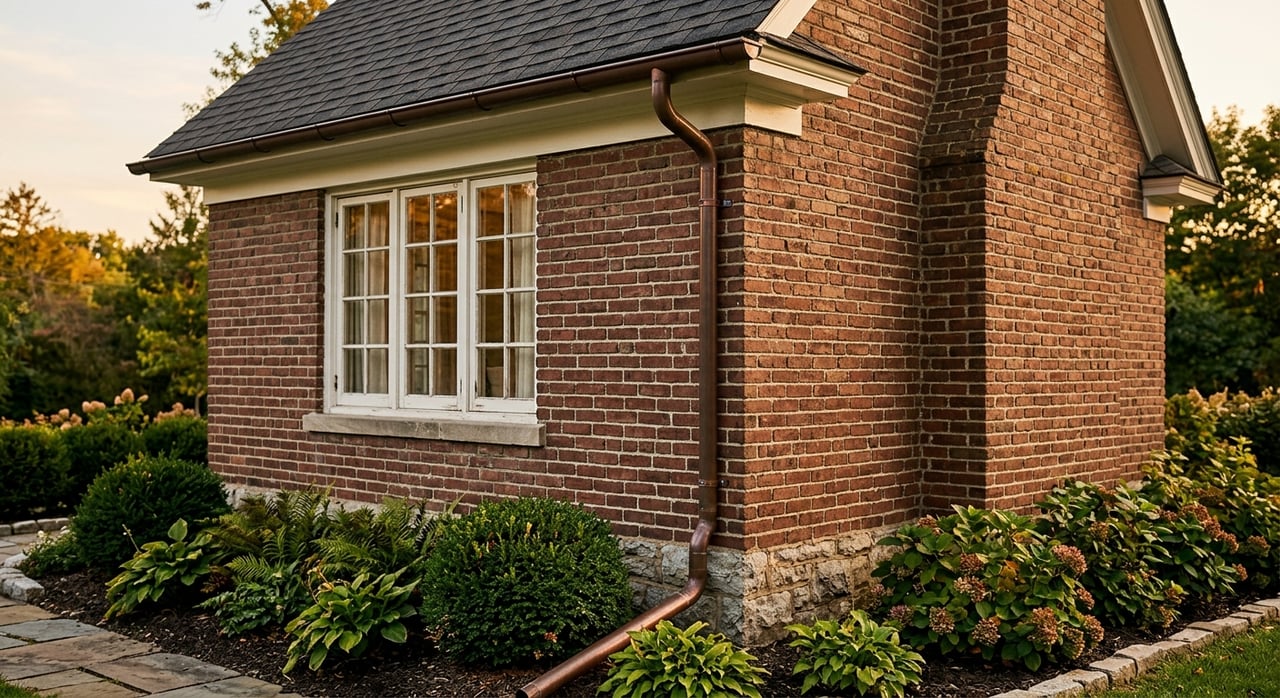
If you are evaluating an older home, moisture should be high on your list. UGA Extension says the best way to prevent mold is to control moisture, and it recommends keeping gutters clean, directing water away from the foundation, and maintaining positive drainage away from the home.
In practical terms, that means you should pay close attention to roof edges, gutter conditions, downspouts, crawl spaces, basement walls, and grading around the lot. Older windows, aging flashing, and years of landscaping changes can all affect how water moves around a house.
Moisture issues are not just cosmetic. UGA notes that when moisture gets into a home, it creates an environment that can support both mold and pests. A damp crawl space or poor drainage pattern should be treated as a real budgeting item, not a minor inconvenience.
Signs moisture deserves a closer look
- Staining on ceilings or walls
- Musty odors in crawl spaces or lower levels
- Standing water near the foundation
- Gutters or downspouts that do not move water away well
- Soil that slopes toward the house instead of away from it
Termites are a real Georgia concern
In Georgia, termites deserve serious attention during an older-home purchase. UGA explains that subterranean termites depend on moisture, are most abundant in warmer climates, and are among the most economically important wood-destroying pests in the country.
Risk can be influenced by construction type, maintenance, landscaping, and nearby conditions that support termite activity. For you as a buyer, that means wood-to-soil contact, damp areas, neglected exterior maintenance, and persistent moisture should all raise follow-up questions.
An older home does not automatically have termite damage, but it does call for careful evaluation. If you see signs of moisture and wood exposure together, it is wise to treat that combination as a priority during due diligence.
Know which systems may affect your budget
Older homes can have wonderful bones, but the major systems still need to be evaluated with today’s standards in mind. Gainesville says permits are required for many common projects, including additions, decks, electrical upgrades, plumbing upgrades, HVAC work, roofing repairs and re-roofing, window and door replacement, and water-heater replacement.
That tells you something important as a buyer. If a home has had visible work done, such as an enclosed porch, a deck rebuild, new windows, or a large remodel, you should not assume everything was reviewed the same way or through the same department.
Permit history and present condition answer different questions. A permit can show what was formally reviewed, while inspections help show how the home performs now. Looking at both gives you a stronger picture of what you are buying.
Pay attention to pre-1978 homes
If the home was built before 1978, lead should be part of your due diligence. EPA and HUD explain that most pre-1978 housing is covered by the federal lead disclosure rule, and buyers have the right to know about known lead hazards before signing. Sellers must also provide disclosure materials and allow a 10-day period for a paint inspection or risk assessment.
If you are planning any renovation work, lead-safe practices matter too. Disturbing old paint can create lead dust, which is why EPA recommends lead-safe certified contractors for renovation work on pre-1978 homes.
This does not mean you should avoid every older home built before 1978. It means you should understand the disclosure process, ask the right questions, and plan renovations carefully if old painted surfaces will be disturbed.
Think ahead about asbestos during renovations
Asbestos is another issue that can come up in older homes, especially when remodeling is part of your plan. EPA says you usually cannot tell by looking whether a material contains asbestos. If a material will be disturbed during remodeling or appears damaged, a trained and accredited asbestos professional should sample it.
EPA also advises leaving undisturbed asbestos-containing materials alone and using trained professionals for repair or removal when needed. For buyers, the big takeaway is simple: renovation plans should include testing questions before demo starts, not after.
Use layered inspections, not just one
A general home inspection is an important starting point, but with an older home, it is often only the beginning. If the house shows signs of roof wear, structural movement, crawl-space moisture, plumbing concerns, electrical issues, pest activity, or an unclear renovation history, additional targeted evaluations may be worthwhile.
This layered approach is especially helpful in Gainesville and Hall County because local records, permit history, and private inspections each answer different questions. One tells you what may have been approved. Another tells you what is visible and functioning today.
A confident purchase usually comes from combining those sources instead of relying on just one. That approach helps reduce surprises after closing and gives you a more realistic plan for repairs or future updates.
Older-home due diligence checklist
- Confirm whether the property is in Gainesville city limits or unincorporated Hall County
- Check whether the home is in a locally designated historic area
- Review visible signs of moisture, drainage, and crawl-space conditions
- Ask about termite history or conditions that may attract termites
- Review permit history for additions, decks, windows, roofing, or remodels
- Confirm whether the home was built before 1978
- Ask whether any planned updates may disturb older materials
- Consider targeted inspections when the home shows signs of system or structural concerns
Review permit history early
Permit history can be especially valuable when a home shows signs of prior work that may be older than the current owner’s time in the property. Hall County says permits less than 10 years old can be retrieved in office, while older records may require an open records request. If the home is within Gainesville city limits, the city handles permitting instead of the county.
This step can be helpful when you see additions, enclosed porches, deck work, replacement windows, roofing changes, or a remodel that raises questions. Even when records are incomplete, reviewing what is available can still help guide your inspection priorities.
Septic and site details matter outside the city
If you are buying in a rural or semi-rural part of the Gainesville area, utilities and site planning deserve extra attention. Hall County says that for properties in unincorporated areas served by septic, Environmental Health review is required before a residential permit can be submitted. The county also notes that site plans should show wells and or septic systems.
For you as a buyer, that is a reminder to confirm sewage disposal and well records early when applicable. These details can affect both future improvements and your understanding of how the property functions day to day.
Plan renovations in the right order
If you buy an older home and plan to improve it after closing, the smartest order is usually safety and water intrusion first, then structure and systems, then cosmetic updates. That sequence lines up with UGA’s guidance on moisture and pests, EPA’s cautions around lead and asbestos, and the reality that many system upgrades trigger permit review.
It is easy to get excited about finishes, fixtures, and layout ideas. Still, confidence comes from starting with the parts of the house that protect everything else. Drying out a crawl space, correcting drainage, addressing roof issues, or updating critical systems often creates a better foundation for every design choice that follows.
A practical renovation order
- Address active leaks, drainage, or crawl-space moisture
- Evaluate structural concerns and major system needs
- Review permit requirements with the correct local jurisdiction
- Confirm any lead-safe or asbestos-related precautions
- Move into cosmetic and design-driven improvements
Confidence comes from clarity
Buying an older home in Gainesville does not have to feel risky. The key is to replace guesswork with a clear process: understand the home’s jurisdiction, check whether historic review applies, investigate moisture and termites carefully, review permit history, and take pre-1978 renovation risks seriously.
When you do that, an older home becomes easier to evaluate on its real merits. You can see the difference between manageable updates and costly unknowns, which makes it much easier to move forward with confidence.
If you want a practical, construction-informed perspective as you evaluate older homes in Gainesville and across North Georgia, Michele Lester can help you buy with clearer eyes and a stronger plan.
FAQs
What should you check first when buying an older home in Gainesville?
- Start with jurisdiction, moisture, visible maintenance, permit history, and whether the property may be in a locally designated historic area.
Do older homes in Gainesville always have historic restrictions?
- No. Gainesville’s historic review rules apply to locally designated properties in a historic overlay zone, and major exterior material changes require a Certificate of Appropriateness before work begins.
Why is moisture such a big issue in older Gainesville homes?
- UGA Extension says moisture control is the top priority for mold prevention, and moisture can also create conditions that attract pests.
Should you ask for permit records when buying an older home in Hall County or Gainesville?
- Yes. Permit records help show what may have been formally reviewed, while inspections help show the home’s current condition.
What should buyers know about pre-1978 homes in Gainesville?
- Pre-1978 homes may be subject to lead disclosure requirements, and renovation work that disturbs old paint should be approached with lead-safe practices in mind.
Is a septic review important for homes near Gainesville but outside city limits?
- Yes. For septic-served properties in unincorporated Hall County, Environmental Health review is part of the county’s residential permit process, so septic and well details should be confirmed early.