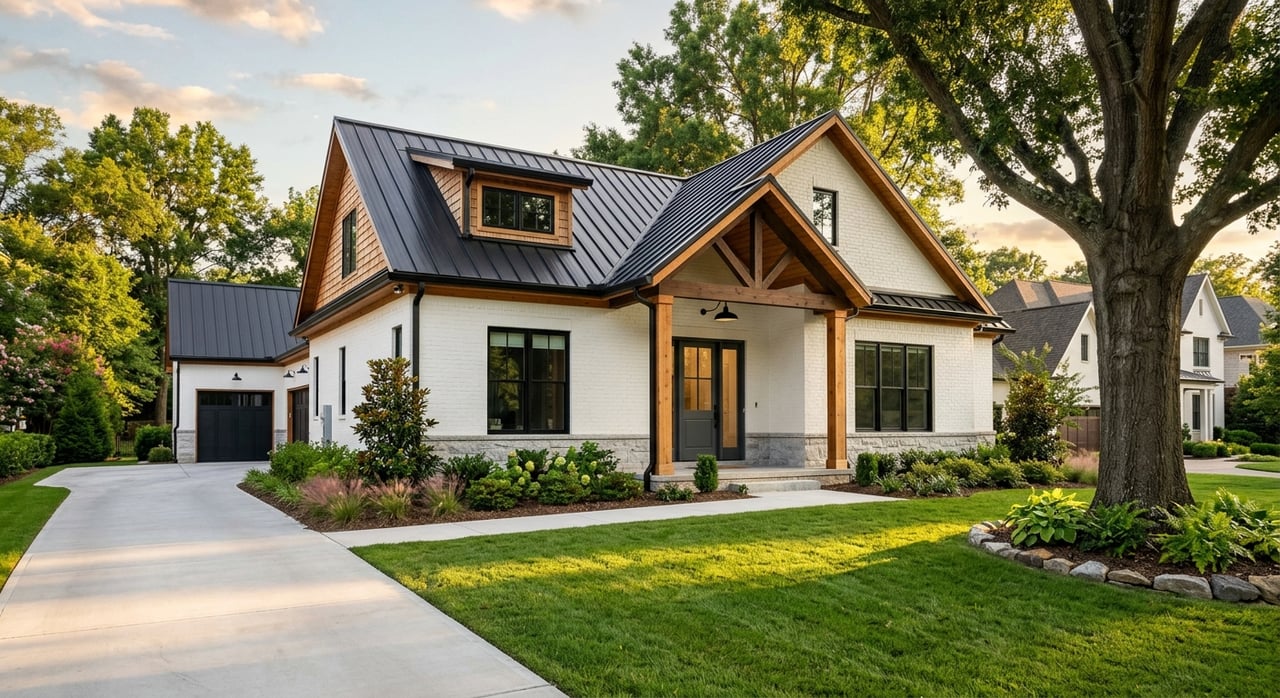
If you are looking for a place that feels connected, grounded, and a little slower paced, Clermont deserves a closer look. This small North Hall town offers a distinct mix of historic character, rural surroundings, and easy access to some of the region’s best outdoor recreation. If you are wondering what daily life here actually feels like, this guide will walk you through Clermont’s size, housing, commute patterns, amenities, and lifestyle advantages. Let’s dive in.
Why Clermont Stands Out
Clermont is a very compact small town in Hall County with about 3 square miles and roughly 1,138 to 1,243 residents, based on figures from the City of Clermont and Census Reporter. That scale shapes nearly everything about the experience of living here.
Instead of feeling like a fast-growing suburban edge market, Clermont feels established and local. Its identity is tied to a historic town center, civic gathering spaces, and a road-connected lifestyle that makes it easy to reach the rest of North Hall and Gainesville.
Clermont’s Small-Town Feel
Clermont’s historic core gives the town much of its personality. The Clermont Residential Historic District nomination describes this area as the town’s only intact grouping of historic houses, centered around Main Street, Harris Street, Martin Street, and Railroad Street.
That history still matters today because it shapes how the town looks and functions. Clermont’s comprehensive plan treats the town center as a community asset with pedestrian access, civic uses, retail, office space, housing, and public open space.
For you, that can mean a town that feels rooted rather than temporary. Clermont is not trying to compete with a major entertainment district. It offers a smaller, more everyday kind of appeal.
What Amenities You’ll Find
Clermont has a modest but active set of local amenities. According to the city’s parks and facilities page, residents have access to the Grover and Lucille Hood Community Center, Clermont Chattahoochee Center, Market Street Pavilion, Clay E. Gailey Pavilion, and Clermont Chattahoochee Pavilion.
The Clermont Dip Library is another useful local resource. It is open multiple afternoons each week and also hosts a children’s summer reading program, which adds another layer to the town’s civic life.
Community events help bring people together through the year. Explore Georgia’s Clermont page highlights Clermont Days in September, which includes a parade, live music, arts and crafts, a car show, fireworks, and other local activities.
Access to Bigger Regional Services
One of Clermont’s practical advantages is that you get small-town living without giving up access to larger services nearby. Hall County describes Gainesville as the region’s education and health hub, with Brenau University, the University of North Georgia, Lanier Technical College, Riverside Military Academy, two public school systems, several private schools, and the region’s largest major hospital.
That matters if you want a quieter home base while still needing access to healthcare, higher education, and broader shopping and service options. Clermont works well for people who want daily life to feel less crowded while keeping regional conveniences within reach.
Commute and Getting Around
If you live in Clermont, your day-to-day movement will likely be car-based. The ACS profile from Census Reporter shows a mean travel time to work of 27.4 minutes, which gives you a useful snapshot of what commuting can look like.
US 129, also known as Cleveland Highway, is one of the key corridors to know. The regional transportation plan from the Gainesville-Hall Metropolitan Planning Organization describes a Clermont segment of US 129 that is planned to widen from two to four lanes to improve mobility and reduce congestion in northern Hall County.
For most buyers, the takeaway is simple. Clermont offers a small-town setting, but your lifestyle will still be shaped by roads, drive times, and access routes rather than transit.
Outdoor Living Near Clermont
Outdoor recreation is one of Clermont’s biggest strengths. Hall County notes that Lake Lanier is a 38,000-acre reservoir with 540 miles of shoreline, making it one of the region’s biggest lifestyle draws.
Clermont is best understood as an inland town with convenient access to lake recreation rather than a lakefront entertainment center. That can be a great fit if you want more breathing room at home while staying close to boating, camping, fishing, and beach-style lake use.
A few standout options nearby include:
- Don Carter State Park, the only state park on Lake Lanier, with boat ramps, a multi-use trail, a sand swimming beach, cabins, RV camping, and tent camping
- River Forks Park and Campground, which offers lake access, a beach, a boat ramp, fishing pier, playgrounds, and year-round camping
- Local attractions noted by Explore Georgia, including the Clermont Historical Society Library and Montara Farm horseback riding
If your ideal weekend includes being outdoors instead of sitting in traffic, Clermont has real appeal.
Housing Styles in Clermont
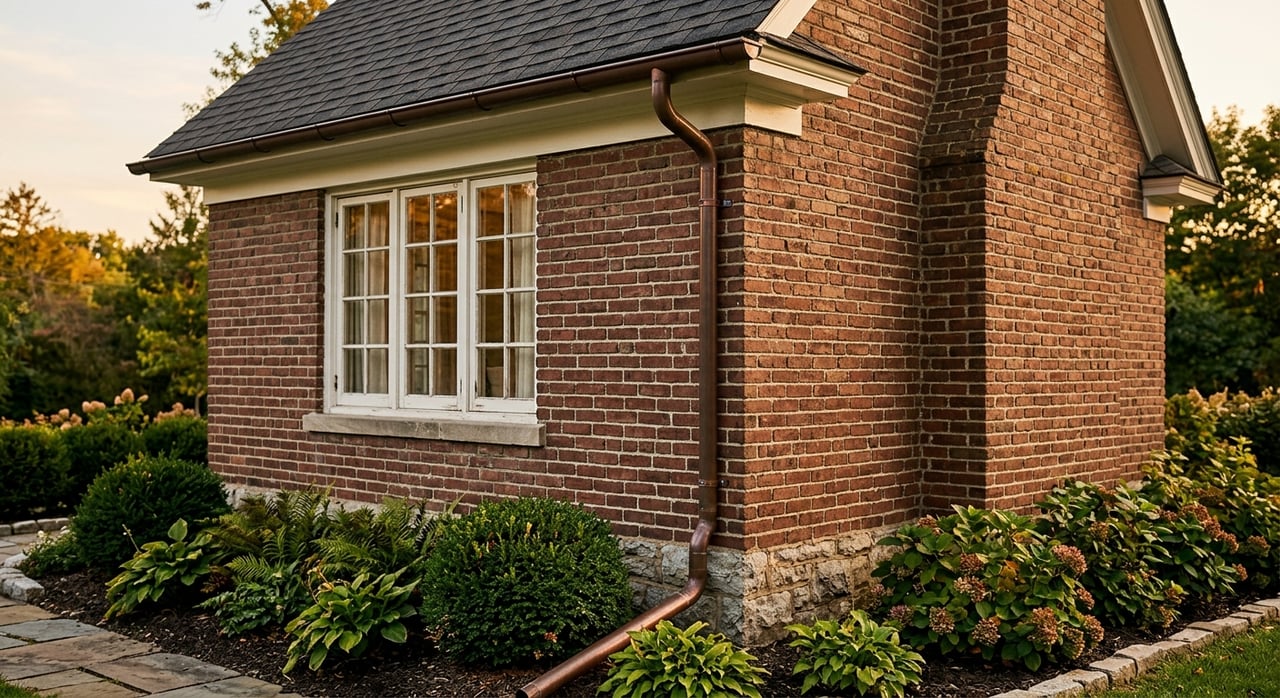
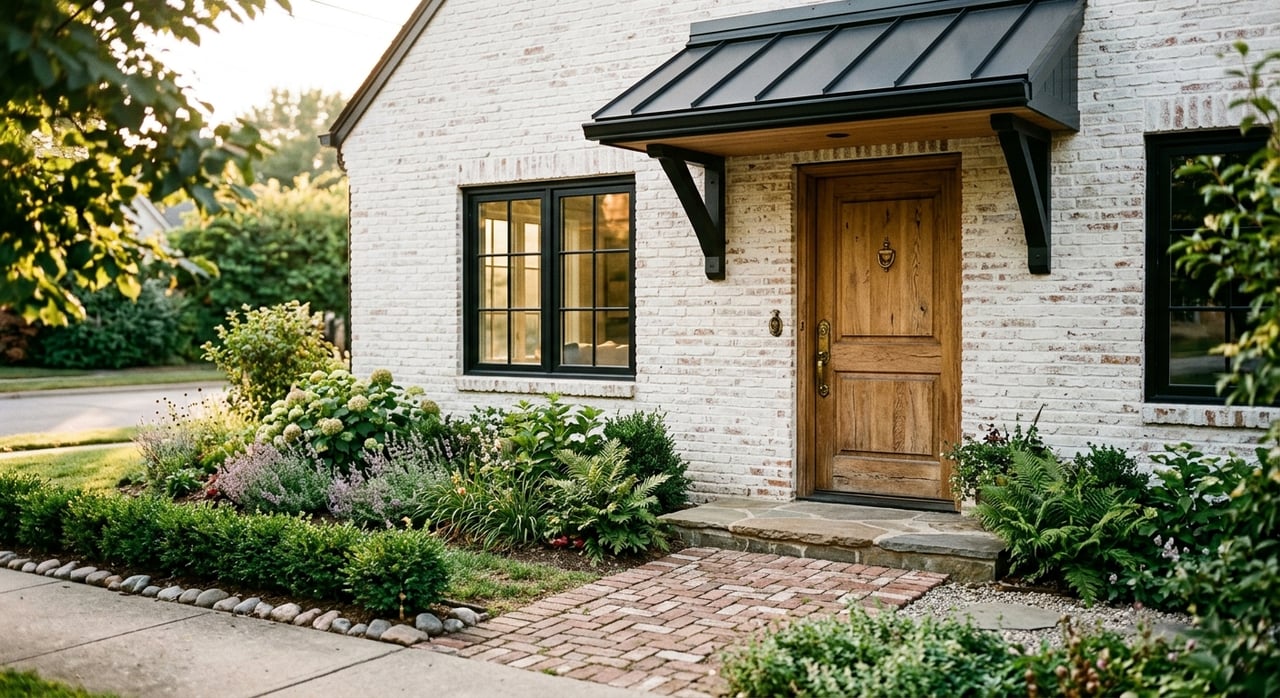
Clermont’s housing stock is one of the town’s most interesting features because it is not a one-look market. The city’s comprehensive plan describes village-residential areas as having smaller lots, sidewalks leading toward Main Street, mostly site-built homes older than 30 years, single-story houses, front porches, pitched roofs, and carports or no garages.
The same plan describes rural-residential areas as larger-lot settings with detached single-family homes, agricultural uses, wooded or open landscapes, and materials that support a rural or mountain character. That creates more variety than you might find in a typical subdivision-heavy market.
The historic district adds even more visual character. According to the National Park Service nomination, you will see one- and two-story wood-framed homes with front porches, dormers, and architectural styles that include Bungalow/Craftsman, Georgian Revival, Neoclassical, vernacular cottages, and Victorian Eclectic influences.
What Buyers Should Keep in Mind
If you are considering a move to Clermont, it helps to think about your priorities in practical terms. This is a market where location, lot size, road access, and property condition can shape your experience more than neighborhood branding.
Here are a few things to evaluate:
- In-town versus rural setting: Do you want to be closer to the historic core and civic spaces, or would you prefer more land and a quieter rural feel?
- Home age and upkeep: Older homes can offer charm and established character, but they may also require closer attention to systems, materials, and renovation needs.
- Commute pattern: Since Clermont is car-oriented, your route to work, schools, shopping, or healthcare matters.
- Outdoor lifestyle: If easy access to Lake Lanier and North Hall recreation is important, Clermont can be a strong fit.
This is also where construction-informed guidance can make a real difference. When you are comparing an older cottage near town center to a larger rural property, understanding build quality, repair needs, and future improvement potential can help you make a more confident decision.
Clermont by the Numbers
A few local data points can help put Clermont into context.
| Topic | Clermont Snapshot |
|---|---|
| Population | 1,138 residents per the city, 1,243 estimated by ACS |
| Town Size | About 3 square miles |
| Mean Commute Time | 27.4 minutes |
| Median Household Income | $135,500 |
| Per Capita Income | $52,008 |
| Median Owner-Occupied Home Value | $321,500 |
These figures from the City of Clermont and Census Reporter suggest a relatively stable small-town market with meaningful household resources and a housing profile that stands apart from more uniform metro-area development.
Is Clermont Right for You?
Clermont can be a great fit if you want a town that feels compact, established, and connected to North Georgia’s outdoor lifestyle. It offers local civic spaces, a recognizable historic center, varied housing styles, and practical access to larger services in Gainesville.
It may be especially appealing if you value charm, land options, and a less hectic daily rhythm. At the same time, it helps to go in with clear expectations about car-based commuting, home condition differences, and the tradeoffs between in-town living and larger rural parcels.
If you are thinking about buying or selling in Clermont, working with someone who understands both the local market and what is behind the walls can help you move forward with more confidence. When you are ready to talk through Clermont homes, renovation potential, or what fits your lifestyle best, connect with Michele Lester to schedule a free consultation.
FAQs
What is it like living in Clermont, GA?
- Clermont offers a small-town setting with a historic core, local civic amenities, car-based commuting, and easy access to outdoor recreation near Lake Lanier.
What types of homes are available in Clermont, GA?
- Clermont includes older in-town homes near Main Street, historic cottages and porch-front homes, and larger rural residential properties with more land.
How far is Clermont, GA from major services?
- Clermont residents can access larger regional services in nearby Gainesville, including healthcare, higher education, and broader shopping and service options.
Is Clermont, GA good for outdoor recreation?
- Clermont is well positioned for outdoor living because it is near Lake Lanier, Don Carter State Park, River Forks Park, and other North Hall recreation spots.
What should buyers know before moving to Clermont, GA?
- Buyers should pay close attention to lot size, commute routes, home age, property condition, and whether they want an in-town setting or a more rural property.